Get Chimney Inspection Service in Denver, NC
Chimney Inspection Service providers in Denver, NC, and nearby areas assess and identify issues like creosote buildup, blockages, or structural damage, offering necessary repairs and maintenance.
Chimney inspection services are essential for property owners in Denver, NC who want to ensure their fireplaces and heating systems operate safely and efficiently. Regular inspections help identify potential issues such as blockages, creosote buildup, or structural damage that could compromise the functionality of the chimney. By addressing these concerns early, homeowners can enjoy reliable warmth during colder months while reducing the risk of costly repairs or dangerous conditions like chimney fires or smoke intrusion.
In addition to safety, chimney inspections contribute to the overall durability and curb appeal of a property. Maintaining a well-functioning chimney can extend its lifespan and prevent deterioration caused by weather or neglect. A thorough inspection also helps preserve the aesthetic appeal of a home, ensuring that the chimney remains an attractive feature. Property owners seeking to minimize maintenance needs and enhance their home's safety and appearance often consider professional chimney inspection services a valuable investment.
- Chimney Inspection - Necessary when preparing for seasonal use or after experiencing weather events to ensure safe operation.
- Chimney Flue Inspection - Recommended if there are signs of smoke backup or unusual odors during fireplace use.
- Chimney Cap Inspection - Important when noticing debris buildup or damage that could affect chimney performance.
- Chimney Exterior Inspection - Useful after storms or for routine maintenance to identify structural issues or deterioration.
- Chimney Safety Inspection - Essential before purchasing a new home or following a chimney fire to assess potential hazards.
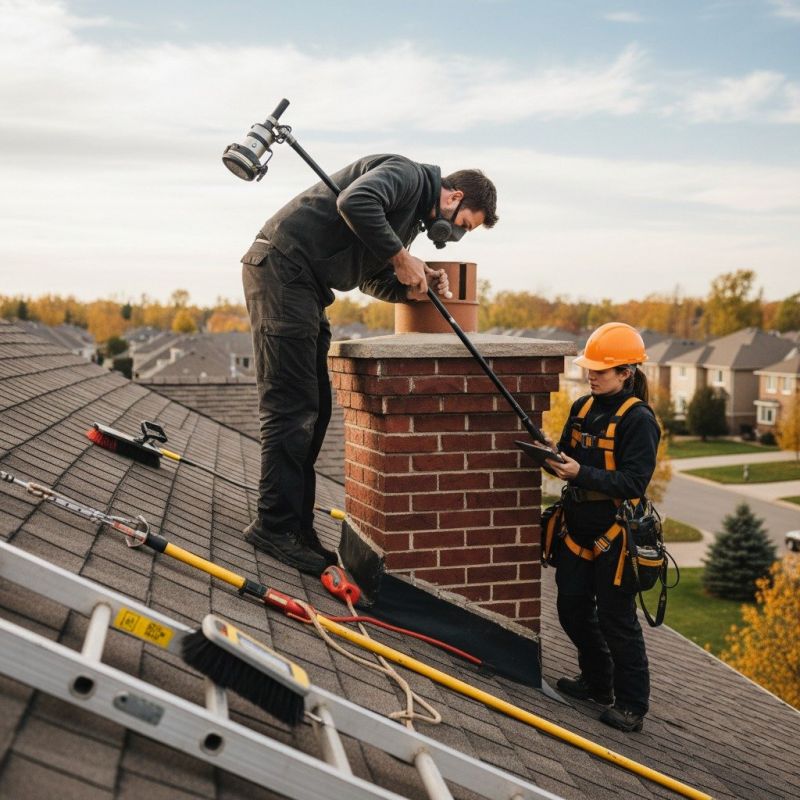
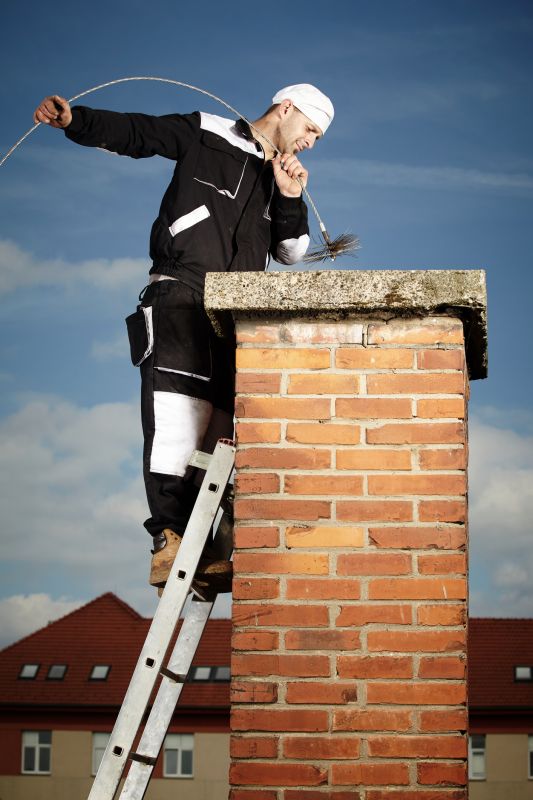
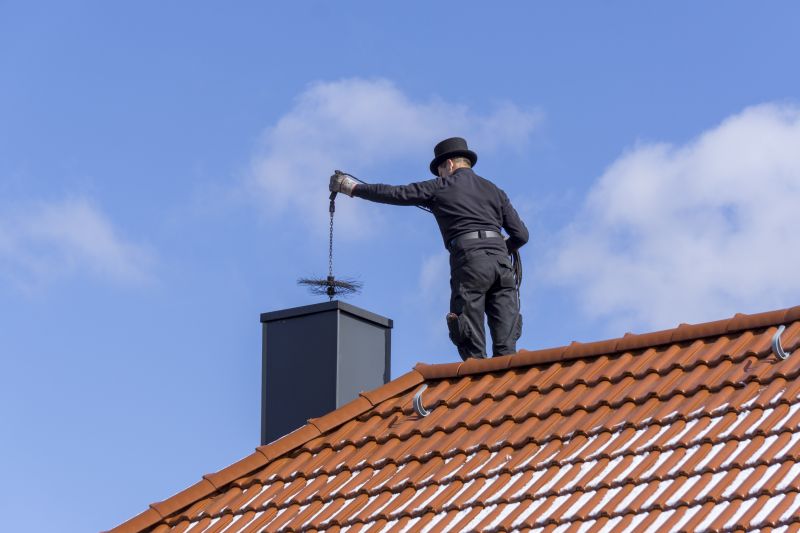
Chimney inspection services involve a thorough examination of a chimney’s interior and exterior components to identify potential issues that could affect safety and performance. Inspections typically include checking the structure for cracks, crumbling mortar, or damaged bricks, as well as assessing the condition of the flue lining, chimney cap, and damper. This process helps homeowners and property managers understand the current state of their chimneys, ensuring they meet safety standards and function efficiently. Regular inspections can uncover problems before they develop into more serious or costly repairs, providing peace of mind for those relying on their chimneys for heating or aesthetic purposes.
The primary purpose of chimney inspections is to identify and address problems that could lead to safety hazards or operational failures. Common issues include creosote buildup, which increases the risk of chimney fires, as well as blockages caused by debris, nests, or animal intrusion. Inspections can reveal structural damage, such as cracked or deteriorated masonry, which might allow harmful gases or smoke to escape into living spaces. Detecting these problems early can prevent dangerous situations like carbon monoxide leaks or chimney fires, and ensure the chimney operates efficiently and safely during use.
Properties that typically utilize chimney inspection services span a wide range of types and ages. Residential homes, especially those with fireplaces or wood stoves, frequently require regular inspections to maintain safe operation and compliance with local safety standards. In addition, historic properties or homes with older chimneys may need more frequent assessments to monitor structural integrity and prevent deterioration. Commercial buildings with fireplaces or venting systems also use chimney inspections to ensure their systems are functioning properly, especially in settings where safety and code compliance are critical.
Professional chimney inspection services are available for various property types, including single-family homes, multi-unit residential buildings, and commercial establishments. These inspections are valuable for new homeowners, property managers, and business owners who want to ensure their chimneys are in good condition before use or after periods of inactivity. By scheduling regular inspections with local service providers, property owners can help maintain the safety, efficiency, and longevity of their chimney systems, reducing the risk of costly repairs and potential hazards.
The overview below groups typical Chimney Inspection Service projects into broad ranges so you can see how smaller, mid-sized, and larger jobs often compare in Denver, NC.
In many markets, a large share of routine jobs stays in the lower and middle ranges, while only a smaller percentage of projects moves into the highest bands when the work is more complex or site conditions are harder than average.
Inspection Costs - The typical cost for a chimney inspection ranges from $100 to $300, depending on the extent of the assessment and local rates. For example, a basic visual inspection might be around $100, while a more detailed inspection could be closer to $300.
Service Fees - Service fees for chimney inspections in Denver, NC, and nearby areas generally fall between $150 and $350. This range accounts for different service providers and the complexity of the inspection required.
Price Factors - Costs may vary based on chimney size, accessibility, and the type of inspection needed, with typical prices spanning from $100 to $400. Additional services like cleaning or repairs are usually billed separately.
Additional Charges - Some providers may charge extra for specialized inspections or reports, with prices potentially increasing by $50 to $100. Contact local pros for precise estimates tailored to specific chimney conditions.
Actual totals will depend on details like access to the work area, the scope of the project, and the materials selected, so use these as general starting points rather than exact figures.
Chimney Inspection - Local professionals provide thorough inspections to identify issues such as creosote buildup, blockages, or structural damage within chimneys. Regular inspections can help maintain safe and efficient fireplace operation.
Chimney Flue Inspection - Experts assess the condition of chimney flues to detect cracks, corrosion, or obstructions that may affect venting performance and safety. Proper flue inspection ensures proper exhaust of combustion gases.
Chimney Crown Inspection - Service providers evaluate the chimney crown for cracks, deterioration, or water damage that could lead to further structural issues. Maintaining the crown helps prevent water intrusion and damage.
Chimney Liner Inspection - Local pros examine chimney liners for cracks, corrosion, or deterioration that could compromise safety and efficiency. A proper liner inspection can prevent hazardous conditions.
Chimney Cap Inspection - Professionals check chimney caps for damage, proper fit, and blockages to prevent debris, animals, or water from entering the chimney. Cap inspection is vital for ongoing chimney protection.
Video Chimney Inspection - Advanced video inspections allow pros to visualize the interior of the chimney to accurately identify issues that may not be visible externally. Video assessments support detailed evaluations and accurate diagnoses.
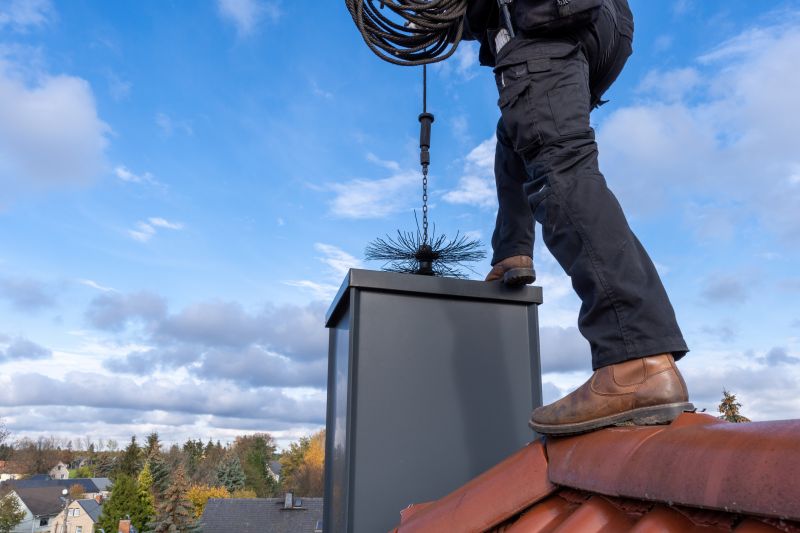
When selecting a chimney inspection service, it’s important to consider the experience of the local professionals. Established providers often have a history of performing thorough inspections, which can be a key indicator of their understanding of different chimney systems and common issues. Homeowners should look for service providers with a proven track record in the area, as familiarity with local building codes, climate conditions, and common chimney concerns can contribute to a more comprehensive inspection.
Clear communication and written expectations are vital when working with a chimney inspection provider. Reputable service providers typically offer detailed descriptions of what the inspection includes and any potential follow-up steps. Homeowners are encouraged to seek out professionals who are transparent about their process and provide written documentation of their findings. This helps ensure all parties have a shared understanding of the scope of work and any recommended maintenance or repairs.
References and reputation are also key factors in choosing a chimney inspection service. Local professionals with positive references or reviews from previous clients can offer insights into their reliability and quality of work. Homeowners should consider asking for or researching references to confirm that the provider has a history of dependable service. Effective communication and a reputation for professionalism are signs that a local chimney inspection provider values customer satisfaction and strives to deliver thorough, trustworthy assessments.
Property owners in Denver, NC use Chimney Inspection Service services for practical projects around their homes and businesses. The sections below highlight everyday jobs and straightforward project options.
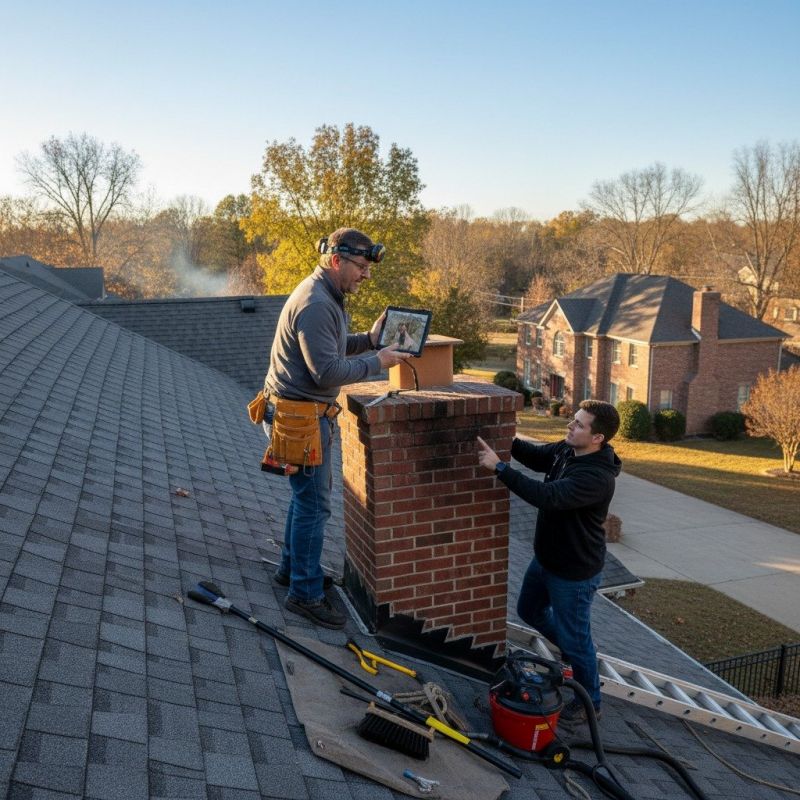
Chimney inspection services are commonly sought by property owners in Denver, NC, who want to ensure their fireplaces and heating systems are functioning safely and efficiently. Regular inspections can help identify issues like creosote buildup, cracks, or blockages that may pose fire hazards or reduce heating performance. Homeowners might also schedule inspections before the start of the colder months or after experiencing weather events that could impact the chimney’s condition.
Additionally, property owners may request chimney inspections when buying or selling a home to meet safety standards or to assess the overall condition of the chimney system. Those noticing unusual odors, smoke backup, or drafts in their fireplaces often turn to local professionals to evaluate potential problems. These inspections can provide peace of mind by confirming that the chimney is in proper working order and ready for use.
What is involved in a chimney inspection? A chimney inspection typically includes checking the chimney’s structure, looking for creosote buildup, blockages, and any damage that could affect safety or performance.
How often should I have my chimney inspected? It is recommended to have a chimney inspected at least once a year, especially before the heating season begins.
What are the signs that my chimney needs an inspection? Signs include smoke backup, unpleasant odors, visible creosote or soot buildup, or if the chimney has experienced damage or weather-related issues.
What types of chimney inspections are available? There are generally three levels of inspection-visual exterior, interior with camera, and a comprehensive assessment including structural and safety checks.
How can a professional help improve my chimney’s safety? A professional can identify potential hazards, remove creosote buildup, and recommend repairs or maintenance to ensure safe operation.
Chimney Inspection Services - Local professionals offer comprehensive chimney inspections to identify potential issues and ensure safe operation.
Visual and Structural Checks - Experts examine the chimney’s exterior and interior for cracks, blockages, and damage that may require attention.
Inspection for Safety Compliance - Service providers assess chimneys to confirm they meet safety standards and prevent hazards.
Maintenance Recommendations - Pros provide guidance on necessary repairs or cleaning based on inspection findings to maintain chimney integrity.
Considering Chimney Inspection Service for a property in Denver, NC? The sections above highlight common project types, practical options, and details that often shape the scope of work.
When you are ready, use the quote form to share a few details about your project. Local pros can review the basics and respond with options that match what you have in mind.